Understanding the Power of Shopping Icons and Customer Pictograms in Modern Commerce
In today’s fast-paced digital world, visual communication plays a crucial role in conveying messages quickly and effectively. One of the most common and essential visual tools in retail and e-commerce is the shopping icon, along with customer shopping actions pictograms. These icons and pictograms are not just decorative elements—they serve as vital components in user experience (UX) design, marketing, and customer engagement. Whether you're designing an e-commerce website or creating informational signage for a physical store, understanding how to use these visuals can make a significant difference in how your audience interacts with your brand.
What Are Shopping Icons and Customer Pictograms?
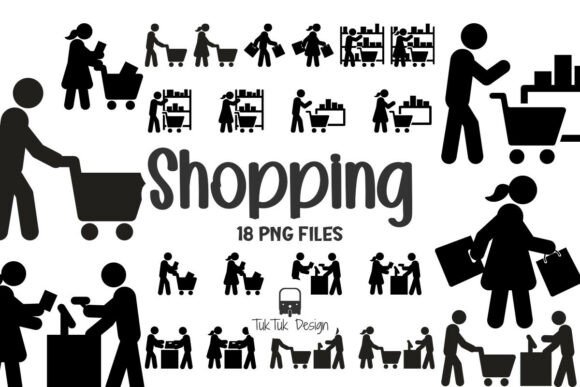
Shopping icons and customer pictograms are graphical representations that depict various actions associated with the shopping process. They include images such as a customer browsing products, carrying shopping bags, pushing a cart, scanning items, or completing a checkout. These visuals are typically designed in a clean, vector format, making them scalable and suitable for a wide range of applications.
A Customer with Cart PNG is one example of such a graphic. It shows a person holding a shopping cart, which is a universal symbol of the retail experience. Similarly, a Customer Shopping Actions Pictogram Set offers a collection of illustrations that represent different stages of the shopping journey, from initial browsing to final payment.
The Purpose and Significance of These Visuals
These icons and pictograms serve multiple purposes. At their core, they help users understand what a particular feature or section of a website or app does without relying on text. This is especially important in international markets where language barriers may exist. For instance, a customer who doesn’t speak the local language can still recognize a shopping cart icon and know it relates to purchasing items.
Additionally, these visuals enhance the user experience by providing quick, intuitive navigation. In e-commerce platforms, for example, a well-designed shopping icon can guide users to the checkout process, reducing confusion and improving conversion rates. Similarly, in retail environments, pictograms on signage can direct customers to specific areas, such as the return counter or customer service desk.
From a branding perspective, consistent use of these icons helps reinforce brand identity. A cohesive set of pictograms across all touchpoints—whether online or offline—creates a unified and professional look that builds trust with customers.
How These Visuals Fit Into Modern Retail and E-Commerce
The rise of e-commerce has made visual communication more important than ever. With millions of online shoppers navigating through websites and apps, the need for clear, intuitive design has never been greater. Shopping icons and customer pictograms are at the forefront of this movement, helping to simplify complex processes and improve overall usability.
For example, consider a mobile shopping app. A user might tap on a shopping cart icon to view their selected items before proceeding to checkout. Without this visual cue, the user might struggle to find the right section, leading to frustration and potential loss of sales. By using a clean vector pictogram set, designers can ensure that these icons remain sharp and recognizable on all screen sizes, from smartphones to desktop monitors.
Moreover, these visuals are not limited to digital spaces. In physical stores, they are used for signage, infographics, and wayfinding. A customer walking into a large retail store can quickly locate the checkout area by following a series of pictograms. This reduces wait times and improves the overall shopping experience.
Practical Applications and Use Cases
The versatility of shopping icons and customer pictograms makes them valuable across a wide range of industries and applications. Here are some of the most common use cases:
- E-commerce websites and apps: These visuals help users navigate through the shopping process, from browsing to checkout.
- Retail UI/UX design: Pictograms are used to create intuitive interfaces that guide customers through the shopping journey.
- Store signage and informational boards: Clear, visual instructions help customers find what they need quickly.
- Infographics and marketing materials: These visuals can be used to explain shopping behaviors, trends, and statistics in an engaging way.
- Business presentations and reports: Pictograms add a visual element that enhances the clarity of data and concepts.
- Training manuals and employee guides: Employees can easily understand procedures and workflows using visual aids.
- Social media graphics: Eye-catching icons and pictograms can be used to promote products or services on platforms like Instagram or Facebook.
- Point-of-sale interfaces: Cashiers and staff can use these visuals to assist customers during transactions.
- Packaging inserts and labels: Pictograms can provide quick instructions or product information directly on packaging.
Why Choose a Clean Vector Pictogram Set?
When selecting shopping icons and customer pictograms, it's important to choose a high-quality, clean vector pictogram set. Vector graphics are scalable, meaning they maintain their quality at any size. This is particularly useful for designs that need to be used across multiple platforms and formats.
Many of these sets come in PNG files with transparent backgrounds, allowing for seamless integration into different designs. The resolution is usually 300 DPI, ensuring that the images remain sharp and clear even when printed. The dimensions are often around 3600px x 3600px, which translates to approximately 12 inches in size, making them ideal for both digital and print use.
One of the biggest advantages of these sets is that they are instantly downloadable. There’s no need to wait for physical products to be shipped—users can access and use the files right away. This is especially beneficial for businesses that need to update their branding or marketing materials quickly.
Common Misconceptions and Considerations
While shopping icons and customer pictograms are powerful tools, there are some common misconceptions about their use. One of the most frequent assumptions is that more complex designs are always better. However, in many cases, simplicity is key. A clean, minimalist icon is often more effective than a cluttered or overly detailed image.
Another consideration is cultural relevance. What works in one region may not resonate in another. For example, certain hand gestures or symbols may have different meanings in different cultures. Therefore, it's important to choose pictograms that are universally understood or to adapt them to suit the target audience.
Finally, while these visuals are highly useful, they should not replace clear, concise text. Icons and pictograms are best used as complements to written instructions, not as substitutes. A well-designed interface or signage will combine both visual and textual elements to ensure maximum clarity and accessibility.
Conclusion
Shopping icons and customer pictograms are more than just visual elements—they are essential tools for improving user experience, enhancing communication, and supporting business goals. Whether you’re designing a website, creating marketing materials, or setting up a retail space, these visuals can make a significant impact.
By choosing a clean vector pictogram set with high-quality PNG files and transparent backgrounds, you can ensure that your designs are both professional and versatile. With the right approach, these icons can help streamline the shopping experience, build stronger connections with customers, and ultimately drive success in today’s competitive marketplace.